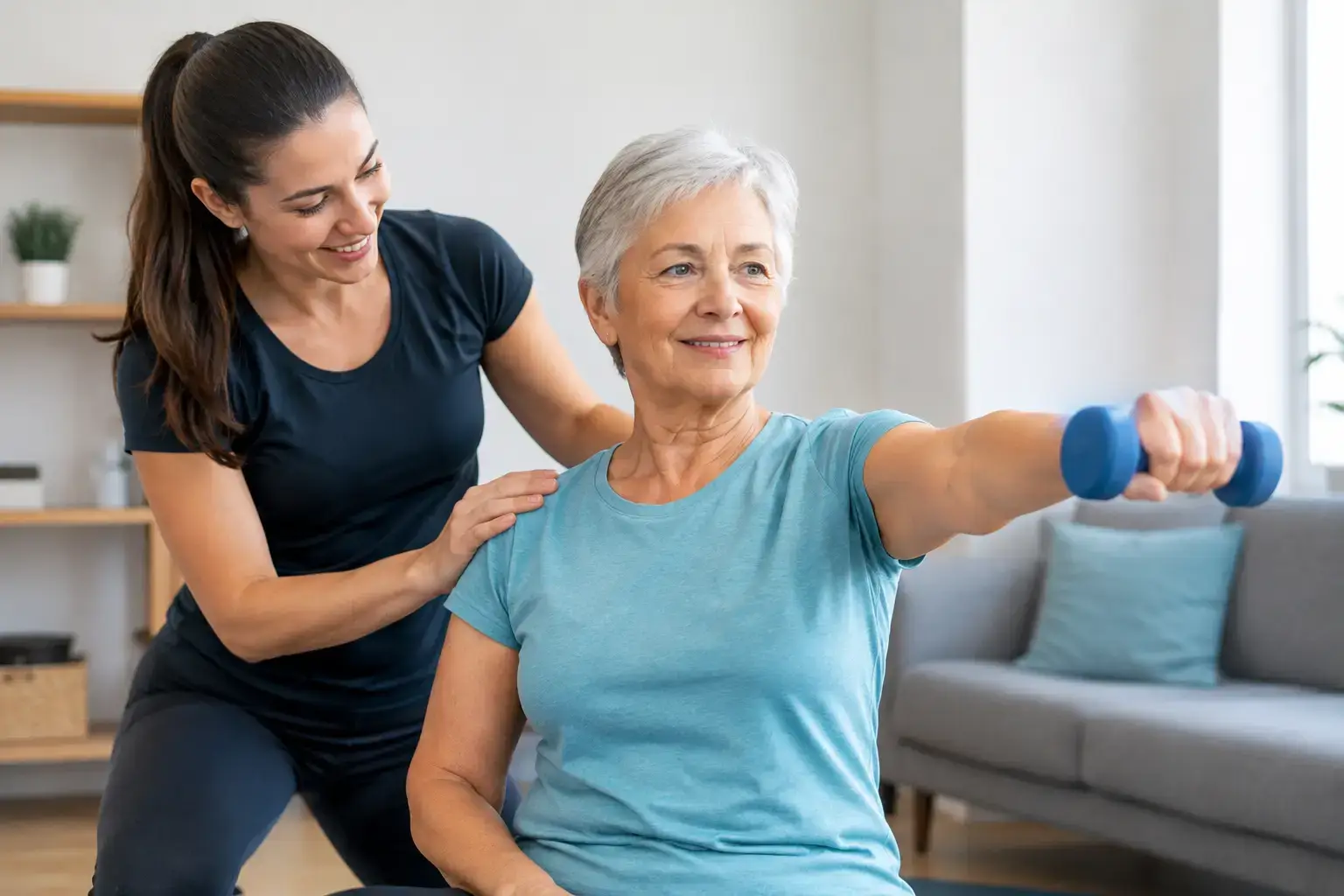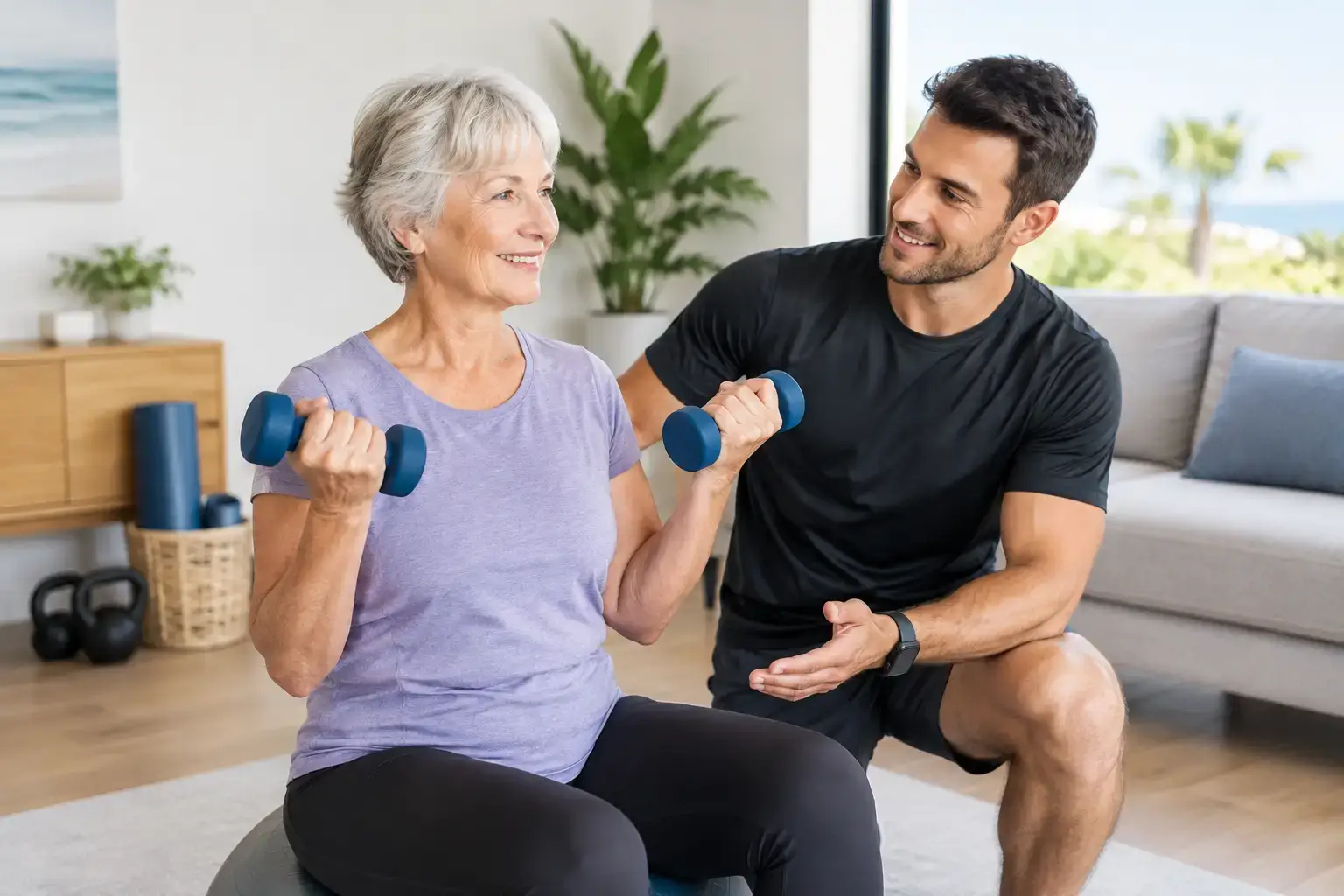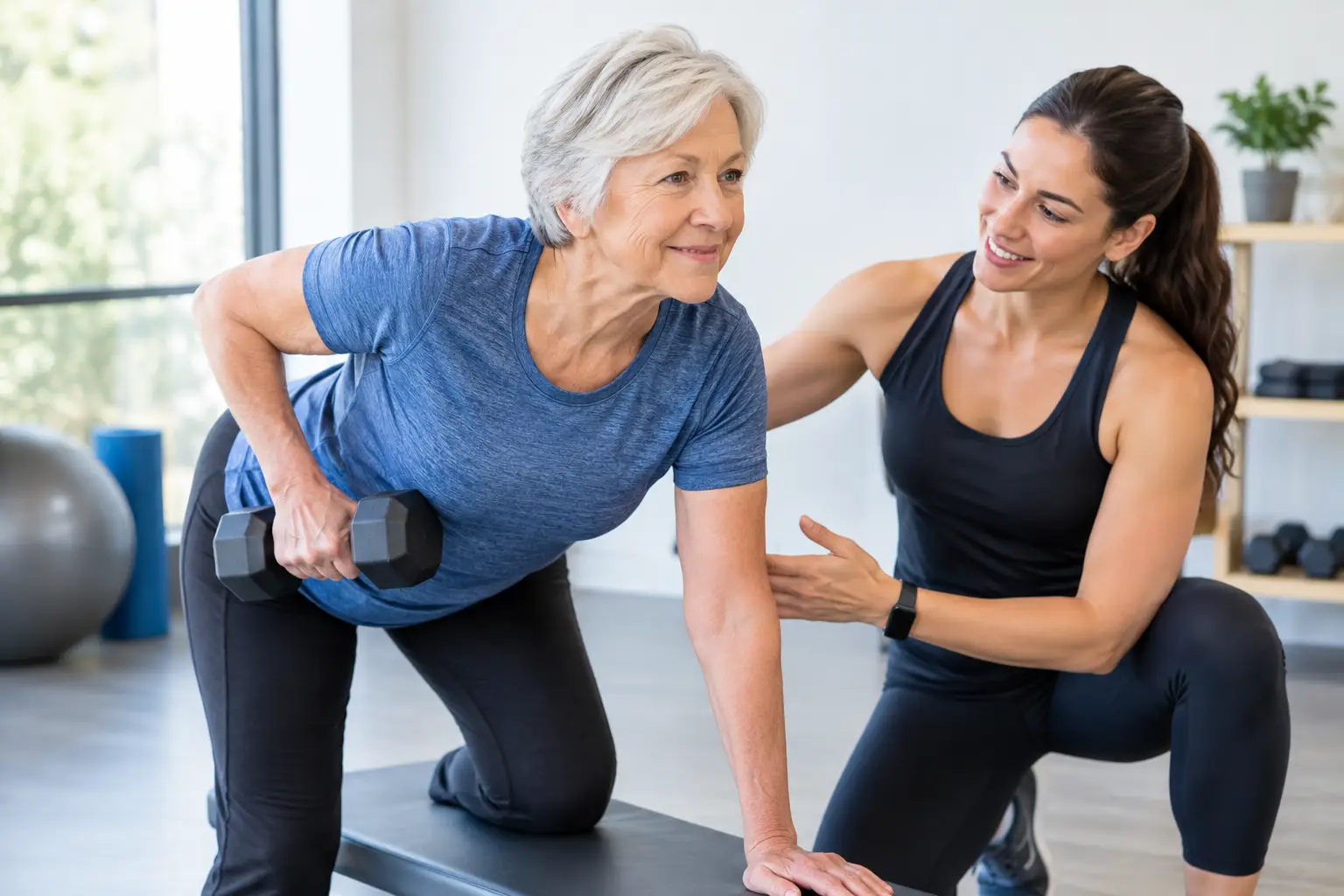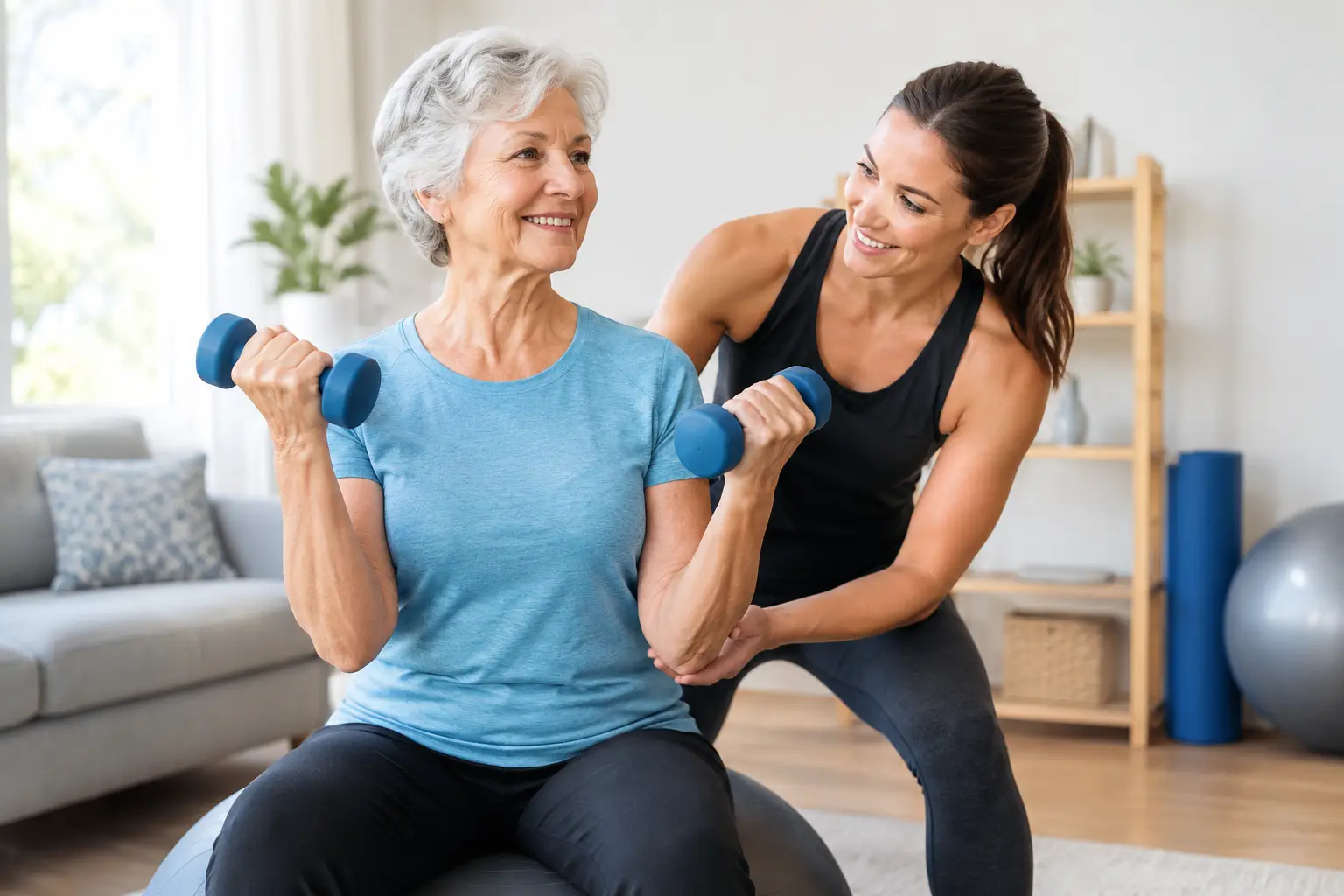

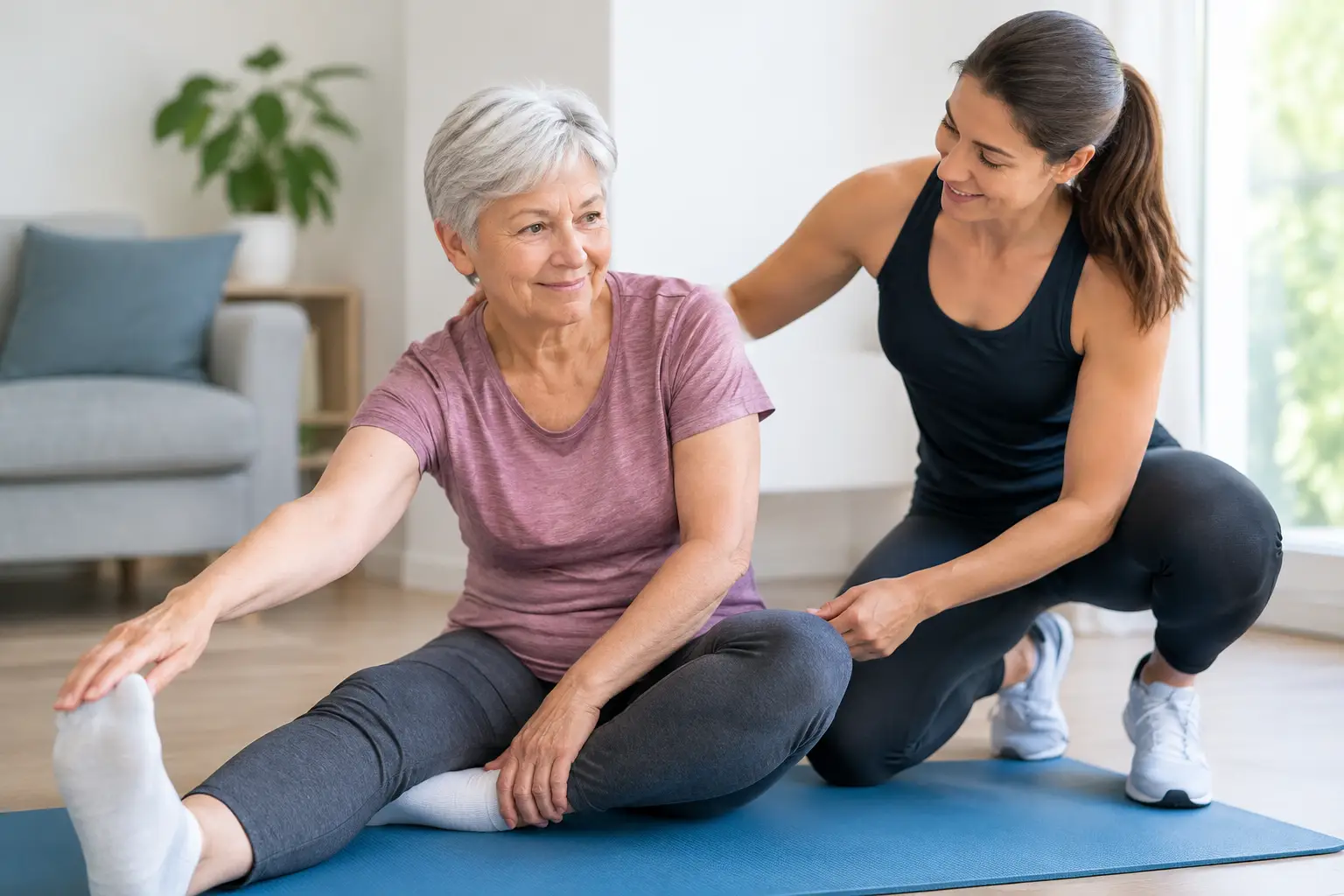
Getting up from a low chair, reaching a high shelf, turning to back out of the driveway – these everyday movements can become frustrating when tight muscles and stiff joints start setting the rules. PNF stretching for seniors offers a more active, personalized way to improve mobility without forcing a painful stretch or relying on a generic flexibility routine.
PNF stands for proprioceptive neuromuscular facilitation. The name sounds clinical, but the approach is straightforward: gently contract a muscle, relax it, and then move a little farther into a comfortable range of motion. When adapted to your body, health history, and goals, this method can help you move with greater confidence at home, on the golf course, during pickleball, or while keeping up with grandchildren.
What Makes PNF Stretching Different?
Traditional stretching often asks you to hold a position for 20 to 30 seconds. That can feel helpful, but it does not always address the protective tension that keeps a muscle from lengthening comfortably. PNF stretching uses a brief, controlled muscle contraction before the stretch. This gives the nervous system useful information: the muscle can work, relax, and move safely through a larger range.
A simple example is the hamstring. Rather than pulling the leg upward until you feel a strong tug, a trainer may guide the leg to a gentle barrier, ask you to press lightly down for several seconds, then have you relax. After that contraction, the leg may move a little farther with less resistance. The goal is never to chase a dramatic stretch. It is to create a usable range of motion that makes walking, bending, and standing easier.
This is why active PNF stretching is often valuable for adults over 55. It combines flexibility with body awareness and gentle strength. Instead of being passive on a table, you participate in the movement while an experienced professional controls the position, pressure, and pace.
Why Mobility Matters More Than Flexibility Alone
Many people think they need to become more flexible. Usually, what they really want is to move better without fear, stiffness, or pain. They want to put on socks without twisting awkwardly, look over a shoulder while driving, step over a curb, or get up from the floor after playing with a grandchild.
PNF work can support those goals by improving how muscles and joints work together. Better hip mobility may make stairs and chair transfers feel smoother. Improved ankle motion can support a more confident walking pattern. More comfortable shoulder movement can make reaching, dressing, and lifting easier.
There is also a balance connection. When muscles around the hips, ankles, and trunk are restricted, the body may compensate with shorter steps, a wider stance, or less efficient posture. Stretching alone will not prevent falls, but mobility work paired with balance and strength training can help create a steadier foundation.
The trade-off is that more range is not always better. A person with loose joints, certain spinal conditions, or a history of repeated joint instability may need more stability training and less aggressive stretching. A qualified trainer assesses the whole picture instead of treating flexibility as the only answer.
Is PNF Stretching Safe for Seniors?
For many older adults, yes – when it is performed gently and tailored to their needs. The safety comes from appropriate positioning, light effort, and professional judgment. A helpful PNF contraction is usually mild to moderate, not an all-out push. Holding your breath, straining, shaking, or feeling sharp pain are signs that the effort is too high.
This approach is especially useful for people who have tried stretching on their own but feel unsure about what is safe. Arthritis, old injuries, joint replacements, osteoporosis, and chronic back discomfort all change how a mobility program should be designed. A movement that helps one person may irritate another.
Extra caution is needed after a recent surgery or orthopedic procedure. Hip, knee, shoulder, and spinal procedures can come with specific movement precautions and healing timelines. Your surgeon or physical therapist should clear activity when appropriate, and the trainer should work within those guidelines. Active inflammation, a sudden increase in swelling, unexplained numbness, dizziness, chest pain, or new severe pain are reasons to stop and seek medical guidance.
For osteoporosis, the focus is commonly on safe alignment, posture, strength, and controlled mobility rather than deep, loaded spinal rounding or forceful twisting. For a replacement joint, the best approach depends on the procedure, the stage of recovery, and your individual range of motion. Personalized care matters.
How a Guided PNF Session Works
A well-designed session begins with a conversation, not a stretch. Your trainer should ask what feels limited, what activities matter to you, what movements cause symptoms, and what your physician or physical therapist has advised. They may observe how you walk, stand from a chair, reach overhead, or balance on one leg.
From there, PNF stretching is selected for the areas that affect your daily life. A person who feels unsteady on stairs may benefit from gentle calf, hip flexor, hamstring, and hip rotation work alongside leg-strengthening exercises. Someone with shoulder stiffness may need careful chest, upper-back, and shoulder mobility work paired with postural strength. The stretch is part of the plan, not the entire plan.
During each technique, the trainer positions you comfortably and gives clear instructions. You may be asked to press your heel lightly into their hand, gently push an arm outward, or engage a muscle without letting the joint actually move. The contraction typically lasts a few seconds, followed by a slow relaxation and a modest increase in range if it feels good.
Your trainer watches for compensations such as holding your breath, hiking a shoulder, arching the lower back, or rotating the pelvis. Those details are where in-home, one-on-one coaching can make a meaningful difference. You receive hands-on attention without the travel, crowded gym environment, or pressure to keep up with someone else.
PNF Stretching for Seniors Works Best With Strength
If a new range of motion is not supported by strength, the body may not trust it or use it in daily life. That is why the most effective mobility programs combine PNF with practical resistance training, balance drills, and movement practice.
For example, gaining more ankle mobility is helpful, but it becomes more useful when you also practice controlled heel raises, supported balance work, and walking mechanics. Improving hip range can be paired with sit-to-stands, step-ups, and glute strengthening. Gentle shoulder mobility can be followed by rows, light presses, or carrying exercises chosen for your tolerance.
This combination helps translate a better stretch into a better life. The goal is not to impress anyone with how far you can reach. The goal is to feel capable carrying groceries, traveling, gardening, playing pickleball, and moving through your home with less hesitation.
What You Can Do Between Sessions
Your at-home plan should feel manageable, not like another job. Often, a few minutes of consistent movement is more valuable than one long stretching session once a week. Your trainer may recommend easy mobility drills, breathing work, posture resets, or simple strength exercises based on what your body needs.
Avoid copying intense stretches from social media or having a family member force a position. PNF relies on precision and the right amount of resistance. A stretch should create mild tension or relief, never sharp, pinching, burning, or radiating pain. Progress is often gradual, especially if you have been protecting an area for years.
At Concierge Personal Training, active PNF stretching can be integrated into a private in-home program that also addresses balance, pain reduction, post-rehabilitation needs, and functional strength. The session comes to you, with the equipment and personal attention needed to make exercise feel less intimidating and more productive.
You do not need to accept stiffness as the price of getting older. With patient guidance and a program built around your body, small improvements in movement can restore a surprising amount of freedom. Call or text 858-284-8004 for a first FREE session.